
Living Spaces, Lasting Legacies: Artists’ Homes and Foundations Around the World
Artists’ homes and foundations offer a unique window into their lives, work, and legacy. In collaboration with Bloomberg Connects, we’ve compiled a selection of remarkable spaces where creativity took shape – from jazz-era Queens to modernist Barcelona. Discover how architecture, archives, and atmosphere come together to tell each artist’s story.
LOCAL
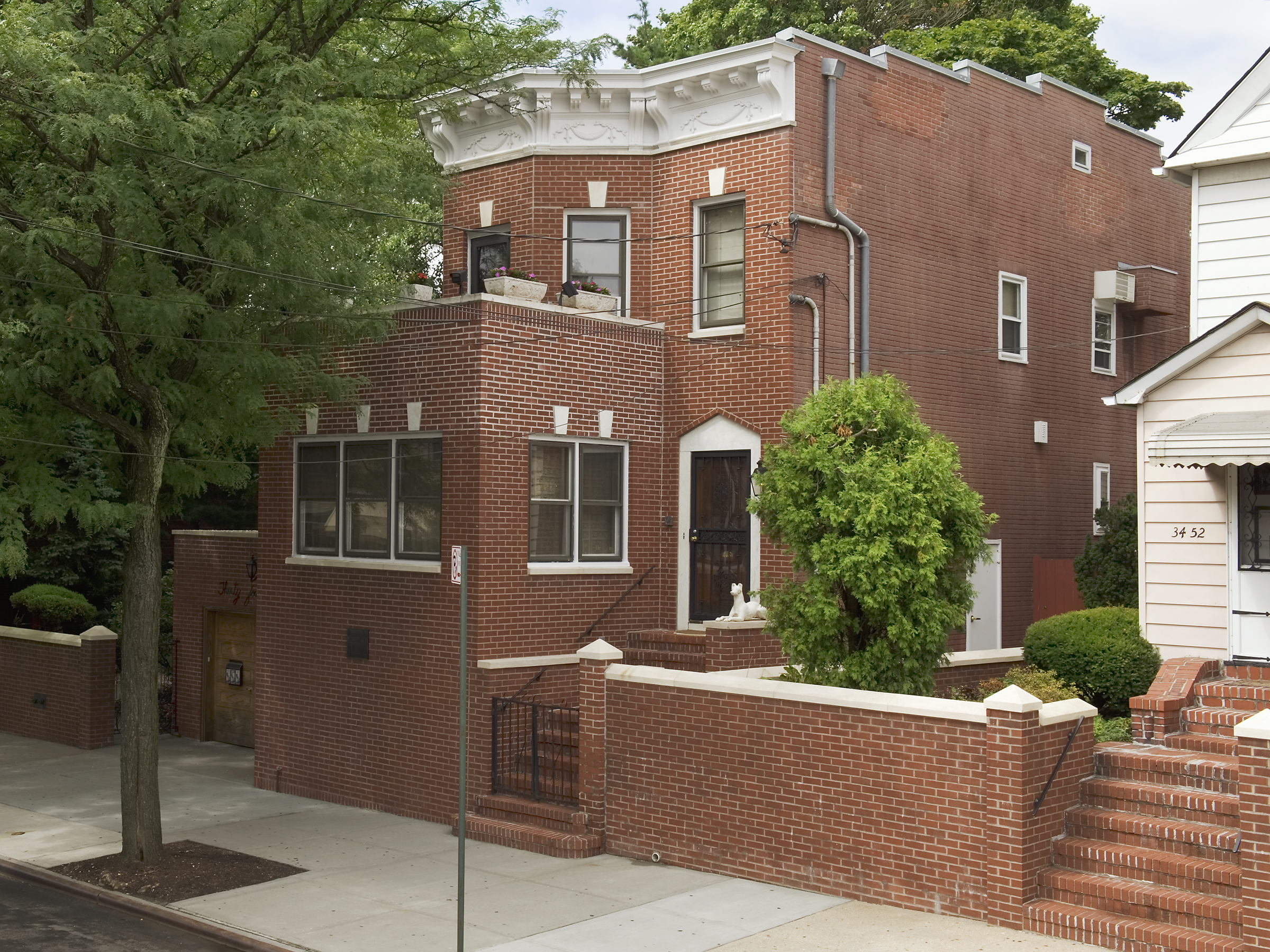
Present-day photo of the exterior of the Louis Armstrong House Museum. Louis Armstrong House Museum Collection.
Louis Armstrong House Museum | Queens, NY
Tucked away in the residential neighborhood of Corona, Queens, the Louis Armstrong House Museum is a time capsule of the jazz legend’s life. This mid-century brick home has been preserved just as Armstrong left it, reflecting his personality through custom-built details, personal artifacts, and an extensive archive. Visitors can step into the intimate spaces where he lived, from the distinctive turquoise kitchen to the den lined with reel-to-reel tapes capturing his thoughts on music and life.
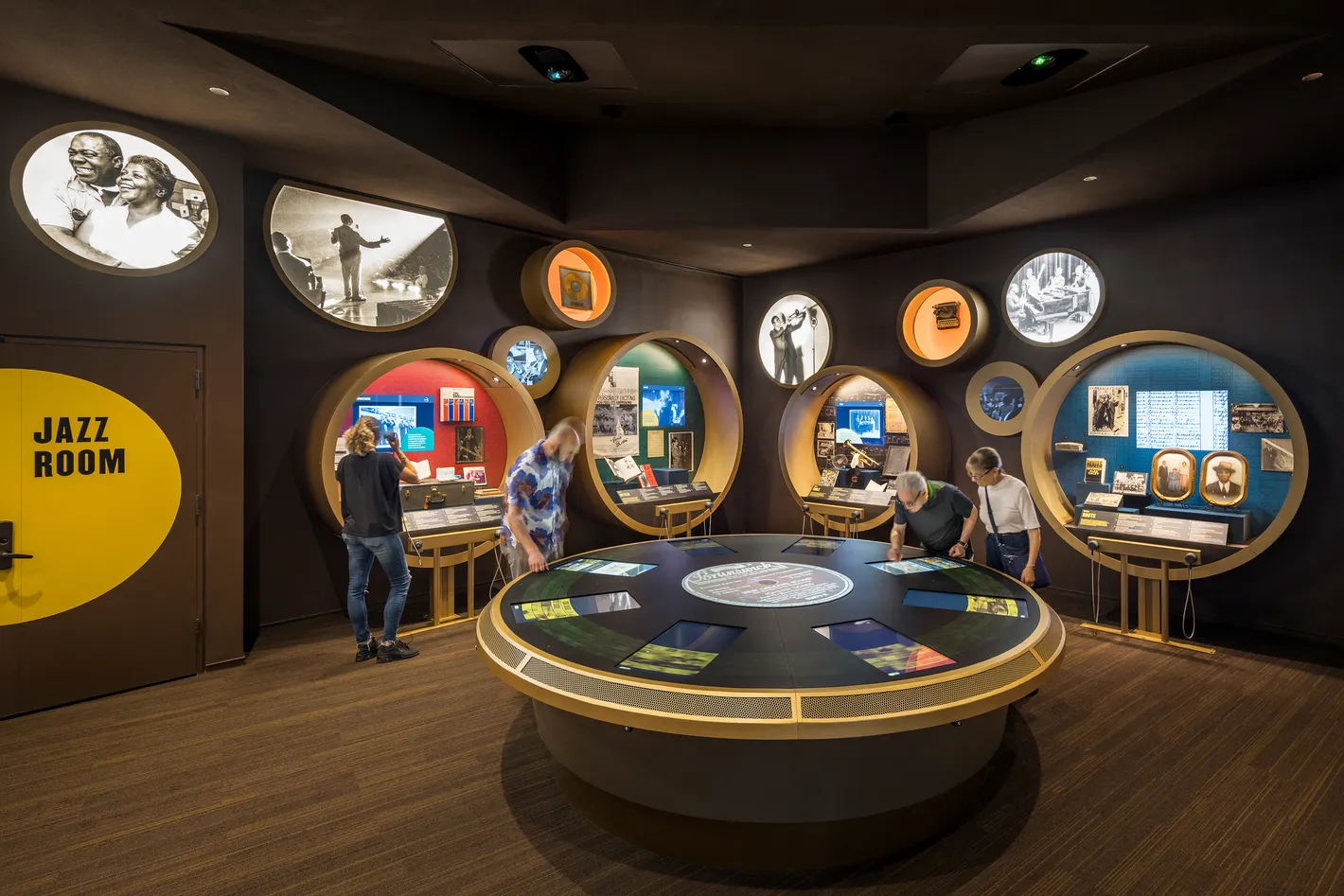
In addition to the historic home, the museum now features a newly built Visitor Center, offering expanded exhibitions, immersive experiences, and fresh insights into Armstrong’s legacy. Visitors can also explore rare artifacts from the Jack Bradley Collection, the largest private collection of Armstrong memorabilia.
Discover even more Inside Louis’ Home — designed to bring you closer to the man behind the music.
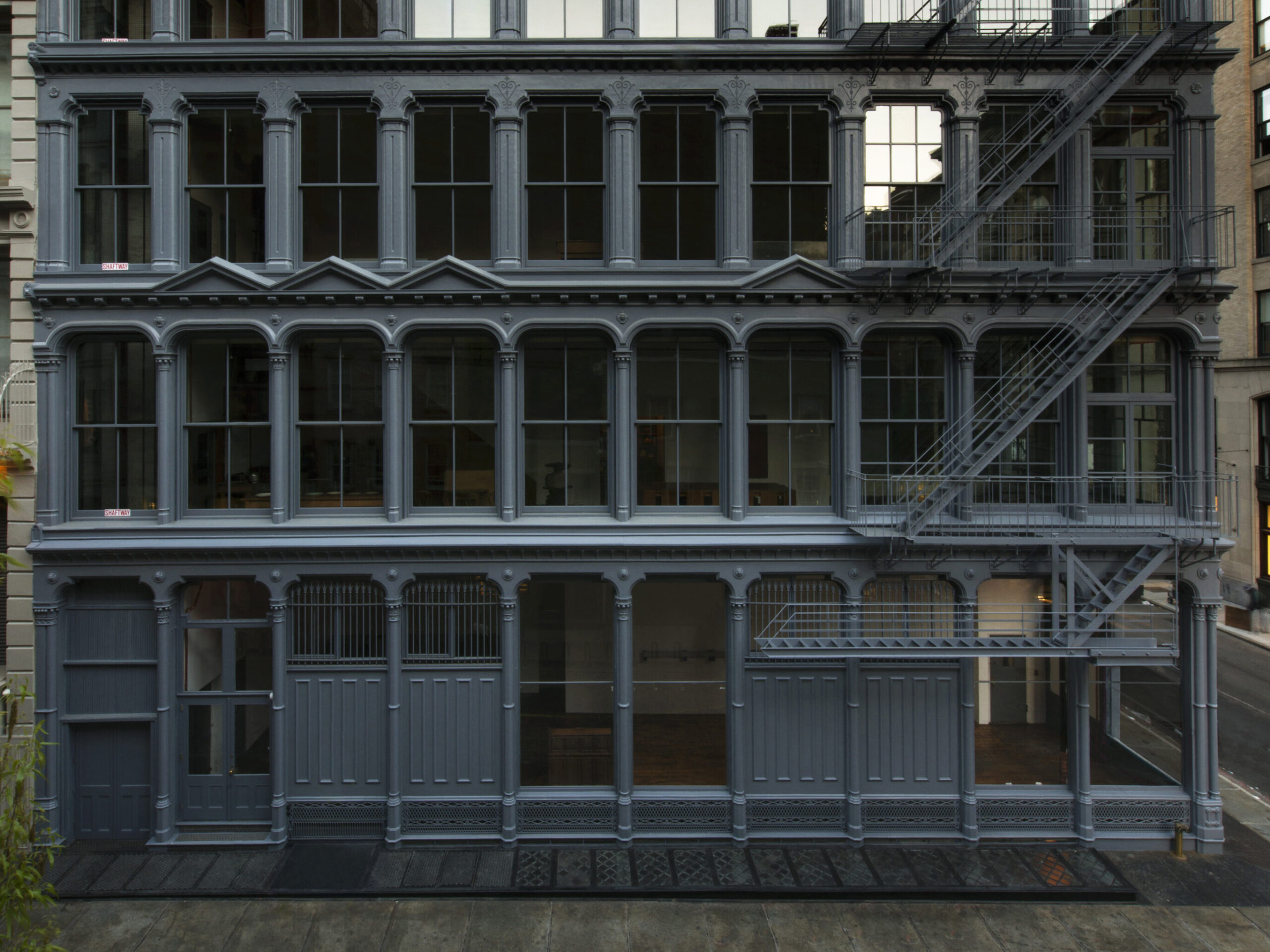
Exterior, 101 Spring Street, New York, ca. 1970. Photo © Paul Katz.
Judd Foundation | New York and Marfa, Texas
Donald Judd didn’t just create art; he reshaped the way we experience space. The Judd Foundation preserves his meticulously designed living and working environments in New York and Marfa, Texas, where art, architecture, and design converge. At 101 Spring Street in Manhattan, Judd transformed a 19th-century cast-iron building into a seamless integration of art and space. In Marfa, his vast installations transform the way built structures interact with the surrounding landscape. Take the Walking Tour of Marfa to understand how Donald Judd purchased and restored buildings to accommodate different purposes for his art, design and architecture practices.
NATIONAL
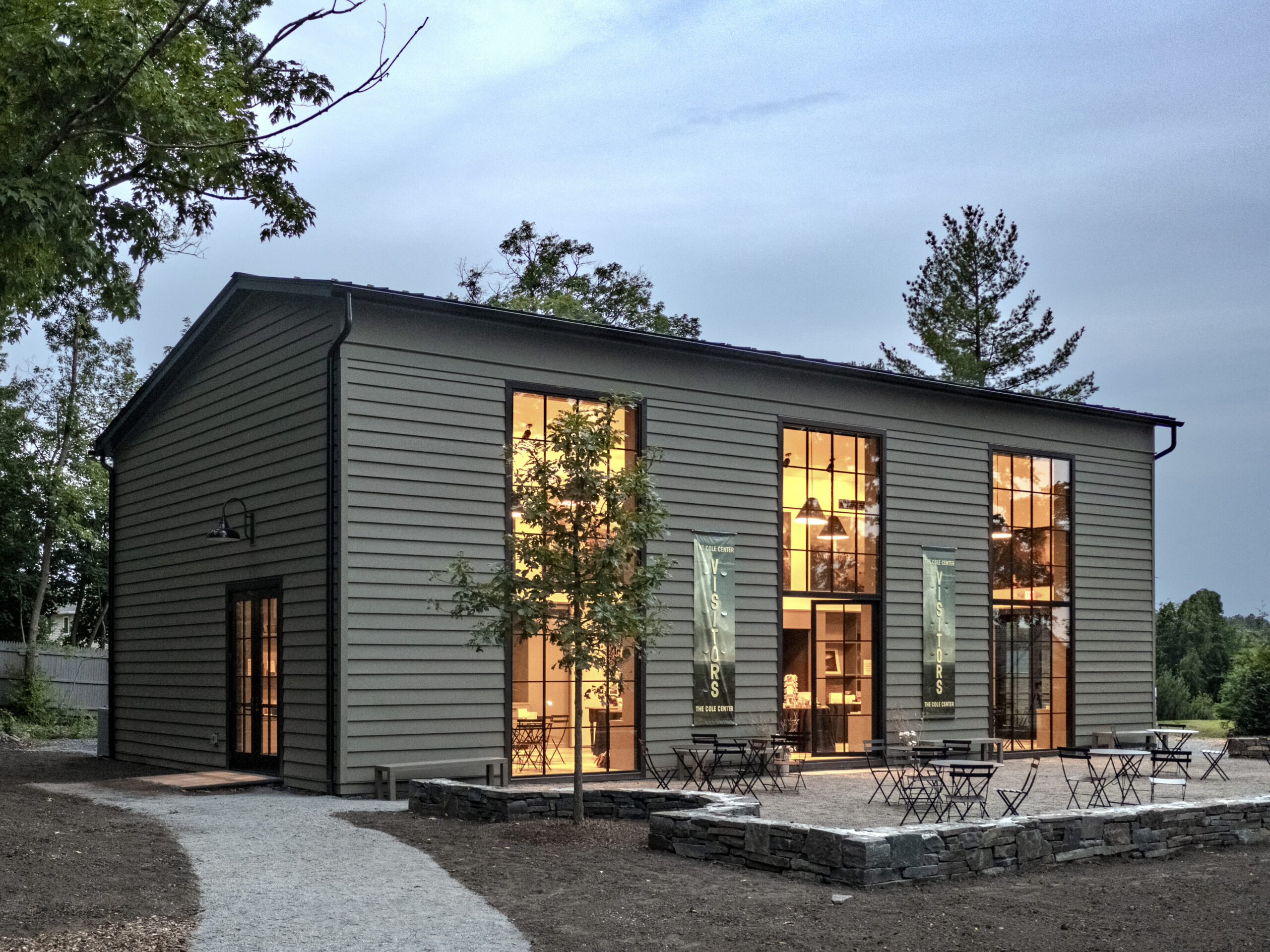
The Cole Center © Peter Aaron/OTTO
Thomas Cole National Historic Site | Catskill, NY
Nestled in the picturesque Catskills, the Thomas Cole National Historic Site preserves the home and studio of Thomas Cole, founder of the Hudson River School. The Federal-style house and the neighboring 19th-century studio reveal the impact of Cole’s environment on his landscape paintings. Explore Nearby and learn how the architecture and natural setting shaped his artistic vision.
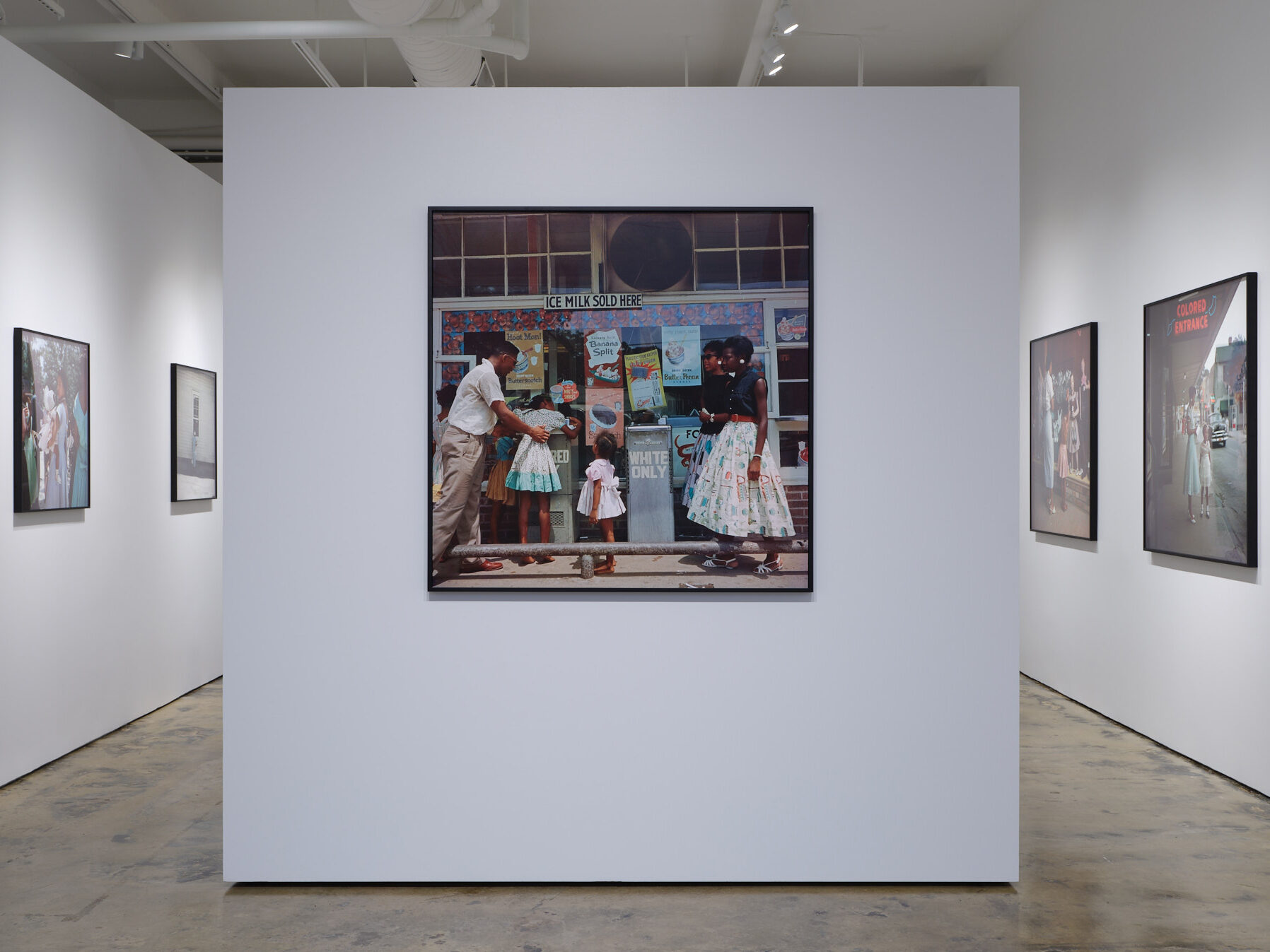
Installation view, Gordon Parks: The Restraints, Open and Hidden, The Gordon Parks Foundation Gallery, November 16, 2022–January 20, 2023
The Gordon Parks Foundation | Pleasantville, NY
Located in a former warehouse repurposed into a cultural space, The Gordon Parks Foundation honors the legendary photographer, filmmaker, and writer. The foundation is housed in a building that reflects a blend of historical and contemporary architectural elements that showcase Park’s enduring impact on arts and culture. Within its walls, visitors can engage with exhibitions in the gallery space, explore the extensive Steidl Library, or dive into the Gordon Parks Archives that include Parks’ photographs, negatives, contact sheets, and selected works in photography, film, music, and writing.
INTERNATIONAL
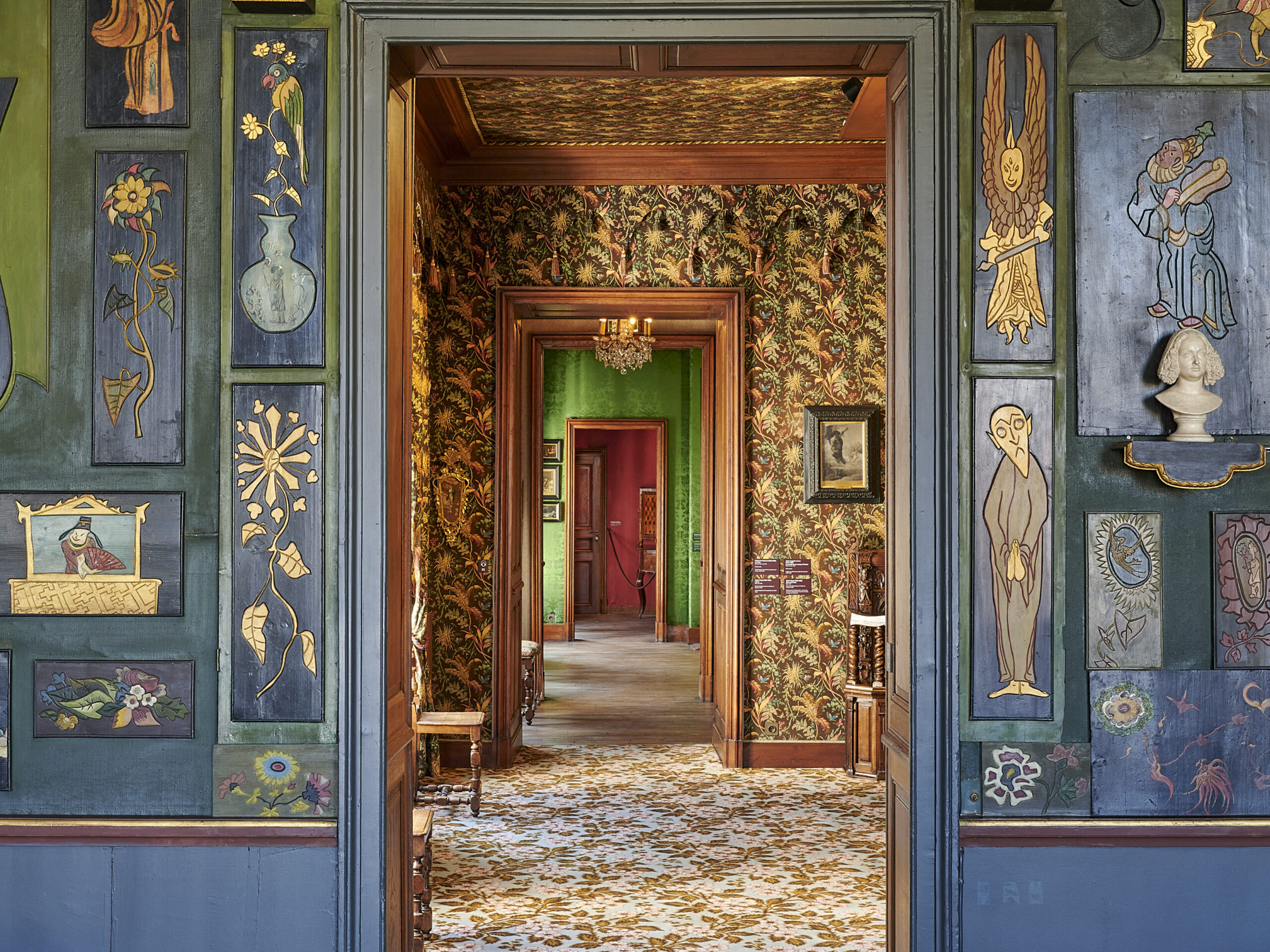
Courtesy of Maison de Victor Hugo, Paris
Maisons de Victor Hugo | Paris, France, and Guernsey
The Maisons de Victor Hugo is a two-part museum dedicated to the life and legacy of the iconic French writer, showcasing the places where he lived, worked, and found inspiration. In Paris, the museum is housed in the 17th-century Hôtel de Rohan-Guéménée, a striking example of Louis XIII architecture. Here, visitors can explore Hugo’s former apartment, with its intricately carved wood paneling, high ceilings, and furnishings he selected, including gothic elements and chinoiserie details that mirror his artistic sensibilities.
Across the English Channel in Guernsey, Hauteville House, designed and decorated by Hugo during his political exile, stands as a creative manifesto in itself. This second site is a richly layered home blending Neo-Gothic, Baroque, and Romantic styles, filled with embroidered textiles, dark woodwork, and mirrored surfaces that reflect and multiply natural light. From the rooftop belvedere, the sea view evokes the epic sweep of his writing.
Together, these two homes offer a rare, immersive glimpse into Hugo’s world, aesthetics, exile, and enduring legacy. Listen to the Apotheosis of Victor Hugo where Hugo sits astride Pegasus who is flying towards Aurora, the dawn.
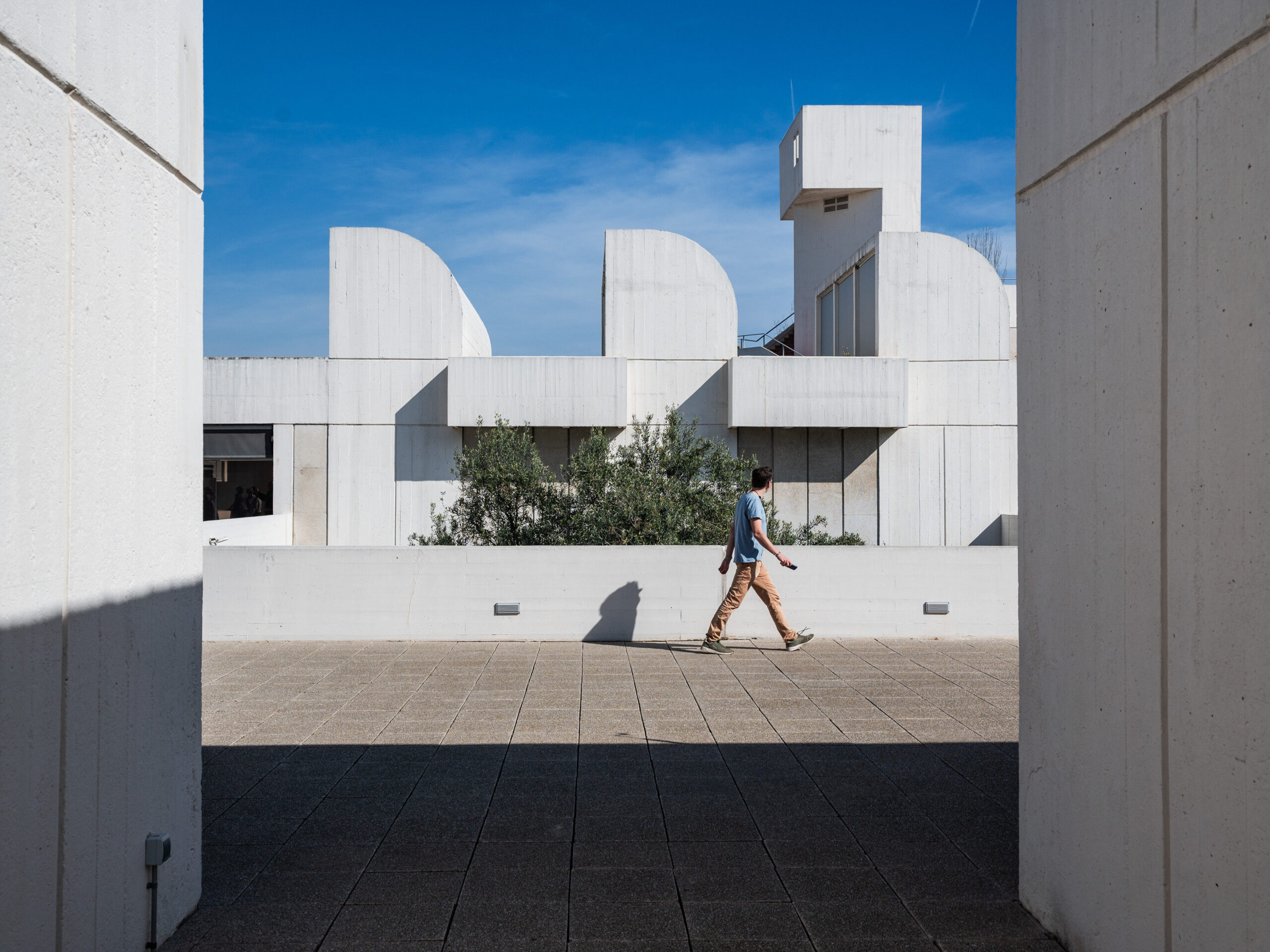
Fundació Joan Miró rooftop. © Fundació Joan Miró, Barcelona. Photography by Pep Herrero.
Fundació Joan Miró | Barcelona, Spain
Designed by architect Josep Lluís Sert, Fundació Joan Miró is a striking example of Mediterranean modernism, blending clean geometric forms with a deep connection to nature. Built in 1975 on Montjuïc Hill, the structure reflects Sert’s mastery of light and space, featuring vaulted skylights, whitewashed walls, and open-air courtyards that create a seamless dialogue between art and architecture. The building’s modular layout, influenced by rationalist design principles, ensures a fluid, intuitive visitor experience. At the same time, its interplay of indoor and outdoor spaces rings true to the organic, playful energy of Miró’s works. The museum’s integration into the surrounding Montjuïc landscape, with panoramic views over Barcelona, further enriches the immersive experience. Discover the relationship that exists between the featured sculptures’ materials and external causes with To See After Nature.
Explore these spaces and many more with Bloomberg Connects. Get insider insights, digital guides, and stories that bring each location to life, all from your phone, wherever you are.
Open House New York is supported by Bloomberg Connects, a free mobile app featuring guides to hundreds of museums, galleries, sculpture parks, gardens, and cultural spaces.

Top photo: © Albert Vecerka/Esto